DASECURE SOLUTIONS LLC · SAN FRANCISCO
Proof of who, what and where
Three products that answer the three questions every real-world transaction turns on — who is this person, what are they entitled to, and did the moment actually reach them.
Each one stands alone. Used together they replace a stack of passwords, plastic cards and unread email.
The platform
Three products, shipping today on the web, iOS and Android.

ZapQR
Identity
The passwordless sign-in button for your site
A hosted OIDC identity provider. Drop “Sign in with ZapQR” into any site and your users sign in with a passkey — or by scanning a QR code with their phone, which is the only way in on screens that can't hold credentials: kiosks, TVs, cars, staff terminals, signage.
Proved on an $80 UNIHIKER — a 240×320 screen with no keyboard, signing in over RFC 8628 with nothing but stdlib Python.
See it running →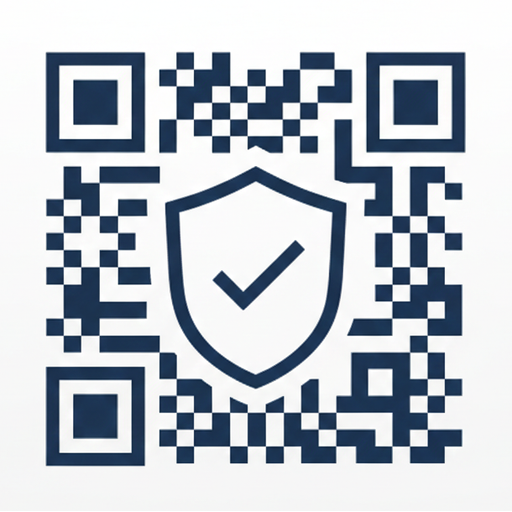
PassQR
Credentials
Apple & Google Wallet passes for real businesses
Issue loyalty, membership and access credentials that live in the wallet your customers already carry. Stamp cards that update on the lock screen the moment a barista scans, a browser-based scanner for the counter, and an API for everything behind it.

iotPush
Delivery
One curl away from your pocket
Push notifications for servers, scripts, agents and IoT devices. One HTTP call sends to a topic; the app on your phone can answer back with action buttons and typed replies, so an alert becomes a decision instead of a dead end.
Better together
These aren't three unrelated apps under one roof. Identity, credential and delivery are the three halves of the same problem — so each product is already a customer of the other two.
Layer 1 · Identity
ZapQR
Who are you?
Layer 2 · Credentials
PassQR
What do you hold?
Layer 3 · Delivery
iotPush
Did it reach you?
ZapQR ──▶ PassQR + iotPush
Both admin consoles sign in through ZapQR. One identity, no separate passwords to lose.
ZapQR ──▶ iotPush
Every sign-in raises a push on your phone — and a session you can end from it.
PassQR ──▶ iotPush
Scans, stamps and usage reports arrive as notifications you can act on, not dashboards you have to remember to open.
iotPush ──▶ PassQR
When a message matters, it lands twice: as a push, and as a live update on the wallet pass already on the lock screen.
The compounding effect is the point: adopt one product and the next one costs you an afternoon instead of a quarter, because the identity, the credential and the notification channel are already wired.
Built on ZapQR
Once one identity layer works, the next product doesn't need its own. These three are ours, and they sign their users in the same way your site would.
ZapLock
Folder encryption
Encrypt a folder where it sits — same name, same path — and unlock it by signing in with ZapQR. Share it with someone by their address, revoke them in a tap, and every unlocked folder relocks the moment the session ends.
Identity decides who can open your files.
Live on Google Play · iOS and macOS in review

ZapDrop
Presence-bound collateral
A screen shows a rotating QR instead of a flyer rack. Someone scans, approves with Face ID, and the one-pager arrives in their inbox — no form, no typing, no app. You get a verified address; they get no paper to throw away.
Identity turns a passer-by into a known contact.
Live · storefronts and trade-show stands

PassQR Tag
Anonymous contact
A sticker on a car, a bag or a gate. A stranger scans it and reaches you without either of you holding an identifier for the other — and the relay checks they are actually standing there before it escalates.
Identity and presence, with neither side exposed.
Private beta · patent pending
In the lab
Early work, shown early. Not a product yet.

IdentityStick
Quorum
No one party can move it alone.
Some actions shouldn't rest on a single credential. This one takes three: who you are, proved by signing in with ZapQR; your approval, given on your own phone; and the physical stick in your hand, which holds a key that never leaves it and signs only when you press the button. Miss any one and nothing moves.
First application: stablecoin transfers
The signer shows you what you are actually signing on its own screen, so a compromised browser — or an agent acting in your session — cannot change the transaction underneath you. It runs on the ESP32-C6 prototype below and on an off-the-shelf Trezor Model T, which is the point: the quorum does not depend on our hardware. The mechanism is general, and it is a long way from a product.
See the demo →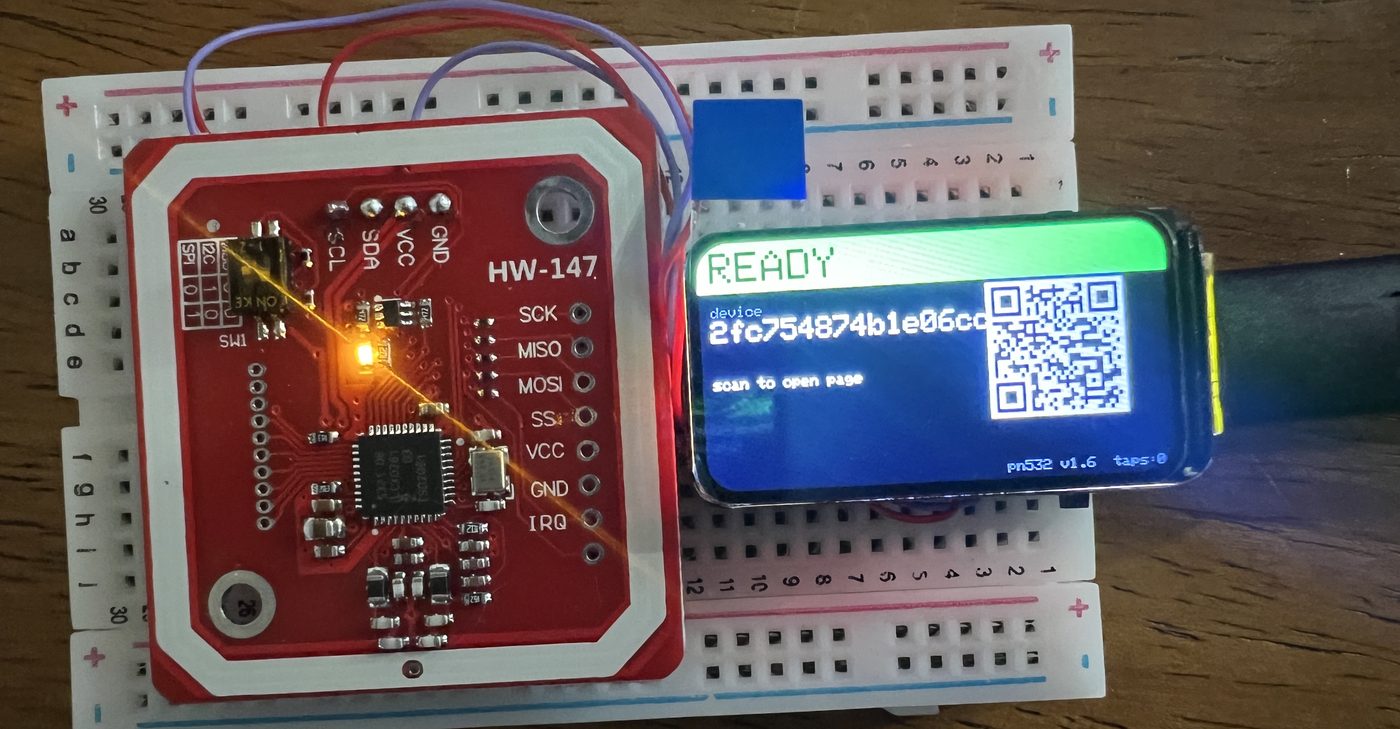
Also built
Earlier products. Still up, no longer the focus.


About us
DaSecure Solutions LLC is a software company in San Francisco, California. We build the plumbing for trust between strangers — identity, credentials, presence and the alerts that tie them together — and we ship it ourselves, end to end.
One hard problem
Everything we ship answers who, what or where. We stopped building anything that doesn't.
Shipped, not slideware
Live on the App Store, Google Play, the Chrome Web Store and wordpress.org — not a roadmap.
Composable by default
Each product is a customer of the others. That's how we find the sharp edges before you do.
Get in touch
Building something that needs passwordless sign-in, wallet credentials, or alerts your users can answer? We'd like to hear about it.
Or reach out on GitHub